
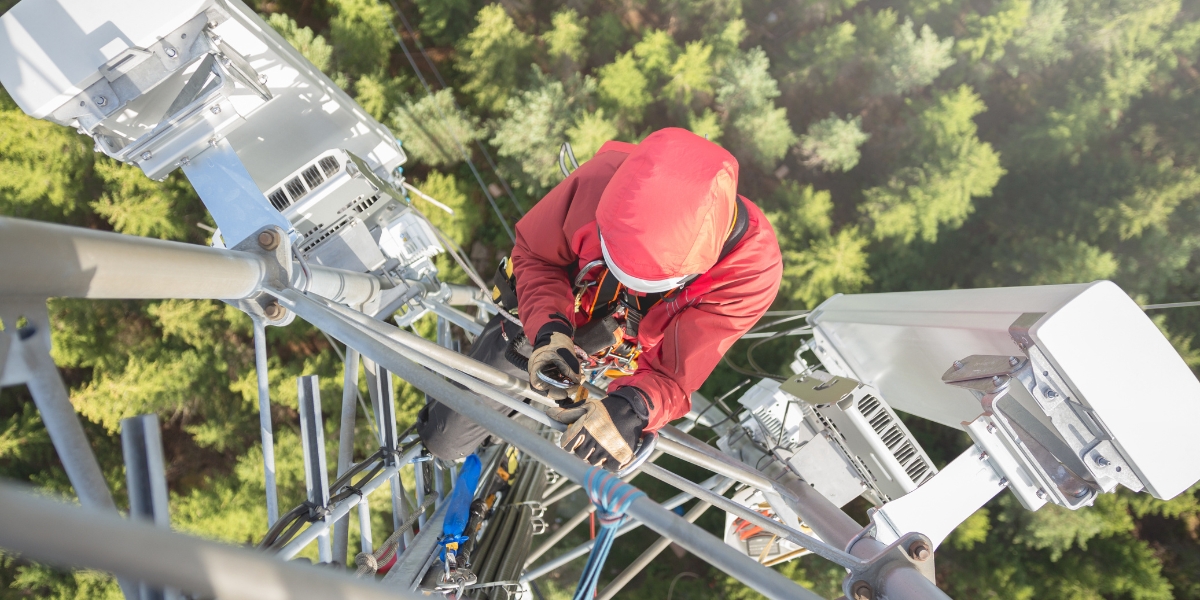
Falls from height are a leading safety challenge in Australian workplaces, whether on a construction site, in an industrial facility, or on a maintenance platform.
Every year, incidents involving falls from height result in serious injuries, fatalities, and substantial business costs. Most of these accidents are preventable with the right planning, equipment, and safety culture in place.
In this article, we’ll outline 10 essential safety tips for working at heights.
From risk assessments and PPE to training, supervision, and emergency planning, each tip is designed to help you create safer working environments and meet your obligations under Australian safety standards.
Jump to:
1. Conduct a Thorough Risk Assessment
2. Use the Right Personal Protective Equipment (PPE)
3. Inspect Equipment Regularly
5. Install Guardrails and Barriers (Where Possible)
6. Use Ladders and Scaffolding Safely
7. Maintain Three Points of Contact
8. Implement an Emergency Rescue Plan
9. Ensure Adequate Supervision
1. Conduct a Thorough Risk Assessment
A detailed risk assessment should be the first step in your height safety process. Identifying, evaluating, and controlling risks is essential to prevent incidents and ensure compliance with Australian workplace health and safety regulations.
Identify Potential Hazards
Identify hazards that could increase fall risks, such as unstable surfaces, unprotected edges, fragile roofs, adverse weather conditions, obstacles, loose tools, or nearby machinery.
Evaluate the Risks
Assess the likelihood and severity of potential incidents. This helps decide which hazards need urgent controls.
Develop Control Measures
Implement control measures in line with the hierarchy of control. Prioritise elimination or substitution where possible, followed by engineering controls (like guardrails or access platforms), administrative measures, and finally, personal protective equipment (PPE) as a last resort.
A thorough and well-documented risk assessment safeguards workers and demonstrates due diligence in meeting your legal obligations under the Model WHS Regulations.
2. Use the Right Personal Protective Equipment (PPE)
When working at heights, personal protective equipment (PPE) provides a critical final layer of defence against falls and injuries. Selecting the correct equipment and ensuring it’s used properly is essential for effective height safety.
Essential PPE for Working at Heights
The most common types of PPE include safety harnesses, lanyards and ropes, helmets, and safety footwear. Each serves a specific purpose: harnesses and lanyards prevent or arrest falls, helmets protect against head injuries, and footwear provides grip and stability on elevated or uneven surfaces.
Correct Fitting and Proper Use
The best equipment will fail to perform if it’s not fitted or used correctly. Workers should inspect and adjust their harnesses, anchor points, and connectors before every use.
A poorly fitted harness can increase the risk of injury during a fall event. So, correct fitting is vital for height safety.
Match PPE to the Task
Different height-related tasks may require different PPE configurations. For example, a fall-arrest system is not the same as a restraint system. Always ensure that the equipment used aligns with the task being performed and the manufacturer’s recommendations.
Using the right PPE not only enhances safety but also ensures compliance with Australian Standards (AS/NZS 1891) for industrial fall-arrest systems and devices.
3. Inspect Equipment Regularly
Regular inspection of all height safety equipment is vital to maintaining reliability and preventing accidents. Over time, wear, exposure to the elements, and improper use can compromise the integrity of safety gear. Routine checks are a non-negotiable part of safe work practices.
Pre-Use Checks
Before each use, workers should visually and physically inspect their harnesses, ropes, lanyards, ladders, and scaffolding for signs of wear, fraying, corrosion, or deformation. Any piece of equipment showing damage or excessive wear must be removed from service immediately.
Scheduled Inspections
Formal inspections should be carried out at regular intervals by a competent person, someone with the training and experience to identify faults and assess equipment condition. These inspections should follow the manufacturer’s instructions and the applicable AS/NZS standards.
Tagging Out Defective Equipment
If equipment is found to be unsafe, it must be tagged out and isolated until repaired or replaced. A clear tagging system helps prevent accidental reuse of faulty gear and reinforces a proactive safety culture across the workplace.
Consistent inspection routines reduce the risk of incidents and ensure compliance with Australian workplace safety expectations for working at heights.
4. Ensure Proper Training
No matter how advanced your equipment or procedures are, safety ultimately depends on the competence of the people doing the work. Proper training ensures workers understand the hazards, equipment, and safe work methods involved in working at heights.
Certified Training Programs
All personnel who work at heights should complete an accredited working at heights training program that meets Australian standards. These programs cover hazard identification, risk control measures, equipment use, and emergency procedures. Every worker should have the foundational knowledge to work safely at heights.
Understanding Regulations and Best Practices
Training should also familiarise workers and supervisors with Australian height safety regulations, including the Model WHS Regulations and relevant Codes of Practice issued by Safe Work Australia. Awareness of these requirements ensures compliance and promotes a consistent safety culture across teams.
Refresher Training and Competency Assessments
Skills and knowledge can fade over time, especially if workers are not performing height-related tasks regularly. Periodic refresher training and competency assessments help reinforce safe practices, update workers on regulation changes, and maintain confidence in their ability to work safely at heights.
Investing in proper and ongoing training reduces the likelihood of incidents and demonstrates an employer’s commitment to workplace safety and compliance.
5. Install Guardrails and Barriers (Where Possible)
Wherever practical, collective fall protection such as guardrails and barriers should be the first line of defence against falls. These systems provide passive protection, meaning they safeguard all workers in the area without requiring individual action or specialised equipment.
Primary Control Measure
Under the hierarchy of control, installing guardrails and barriers is considered a higher-level safety measure than using PPE alone. These physical structures prevent access to edges and openings where falls could occur, reducing reliance on personal fall-arrest systems.
Specifications for Guardrails
Guardrails should meet the strength and height requirements outlined in relevant Australian Standards (AS/NZS 1657) for fixed platforms, walkways, stairways, and ladders. Proper installation and maintenance are essential to ensure they can withstand the forces generated during normal use or accidental impact.
When Guardrails Are Not Feasible
In some cases (such as short-term maintenance or work on irregular structures), it may not be possible to install guardrails. Other control measures like temporary barriers, work-positioning systems, or fall-arrest harnesses must be implemented instead.
Installing guardrails and barriers wherever possible significantly reduces the risk of falls and supports compliance with Australian height safety best practices.
6. Use Ladders and Scaffolding Safely
Ladders and scaffolding are common tools for working at heights, but they’re also frequent contributors to workplace incidents when used incorrectly. Ensuring both are properly set up, maintained, and used according to safety guidelines is crucial to reducing fall risks.
Proper Setup and Stability of Ladders
Before use, ensure ladders are positioned on a stable, level surface and set at the correct angle (roughly one metre out for every four metres of height). Ladders should extend at least one metre above the landing point and be secured to prevent movement or slippage.
Safe Climbing Techniques
Workers should always maintain three points of contact when climbing — two hands and one foot, or two feet and one hand. Never overreach or lean to the side, as this can easily shift balance and cause a fall.
Ladders are best suited for short-duration tasks. Extended work should be performed using more stable access equipment.
Scaffolding Erection and Inspection
Scaffolding must be erected, altered, and dismantled only by competent persons following the manufacturer’s specifications and relevant Australian Standards (AS/NZS 1576 and AS/NZS 4576). Regular inspections should verify structural integrity, guardrail placement, and secure footing before each use.
Using ladders and scaffolding safely ensures compliance with Australian regulations and minimises one of the most common causes of workplace injuries associated with height-related work.
7. Maintain Three Points of Contact
Maintaining three points of contact is a fundamental safety principle for anyone climbing or working on ladders, scaffolding, or other elevated structures. It provides stability, control, and a significantly reduced risk of slips and falls.
Core Principle
At any given time, workers should keep either two hands and one foot, or two feet and one hand in contact with the structure. This continuous contact ensures a stable centre of gravity and allows the worker to recover balance quickly if they slip or lose footing.
Importance of Stability
Many height-related falls occur when workers overreach, carry tools in their hands, or fail to maintain proper contact while climbing. Adhering to the three-point rule means workers are better able to maintain stability and respond safely to changes in footing or surface conditions.
Practical Application
This principle applies not only to ladders but also to scaffolding access points, towers, and other climbing structures. Workers should always use tool belts or hoist systems rather than carrying items by hand, ensuring both hands are free for climbing.
8. Implement an Emergency Rescue Plan
Even with the best preventive measures in place, accidents can still occur. That’s why every workplace that involves height work must have a comprehensive emergency rescue plan. A well-prepared response can mean the difference between a quick recovery and a serious or fatal outcome.
Pre-Determined Rescue Procedures
Before any height-related work begins, employers should establish clear rescue procedures for different scenarios (such as a worker suspended in a harness, trapped on scaffolding, or injured after a fall). The plan should outline the steps to be taken, the people responsible, and the resources required for a safe and efficient rescue.
Rescue Equipment and Trained Personnel
Appropriate rescue equipment must be readily available and regularly inspected. Just as importantly, all personnel involved in the rescue process must be properly trained and competent in its use. Workers should understand how to act swiftly while minimising risk to themselves and others during the rescue.
Communication Protocols
Clear communication is essential in any emergency. Teams should establish and rehearse reliable communication methods, especially in noisy or large work environments. Everyone on site should know who to contact and how to report an incident immediately.
9. Ensure Adequate Supervision
Effective supervision is essential to maintaining safety and compliance when working at heights. Supervisors play a vital role in monitoring activities, enforcing safe work practices, and ensuring all workers adhere to established procedures.
Role of Supervisors
Supervisors are responsible for overseeing daily operations and confirming that all safety measures are being properly implemented. Their presence helps identify unsafe acts or conditions before they escalate into incidents.
Ensuring Compliance
Supervisors should verify that workers have completed the required training, understand site-specific risks, and are using equipment correctly. They must also ensure all work at heights follows organisational safety policies and relevant Australian regulations. Regular safety briefings and toolbox talks can reinforce expectations and address any emerging issues.
Addressing Unsafe Conditions Promptly
Prompt action is key to preventing incidents. If a supervisor identifies an unsafe condition, they should stop work immediately and rectify the issue before allowing it to continue.
Creating an open culture where workers feel comfortable reporting hazards or concerns without fear of reprisal further strengthens site safety.
10. Check Weather Conditions
Weather can significantly affect the safety of work at heights. Conditions such as strong winds, rain, ice, and extreme temperatures can quickly increase the risk of slips, loss of balance, or equipment instability.
Impact of Weather on Safety
Wind can make it difficult to control tools or materials, increasing the likelihood of falls or dropped objects. Rain, ice, and condensation can make surfaces slippery, while heat or cold can impair concentration and reaction times. Recognising these hazards early helps prevent unnecessary risks.
When to Postpone or Cease Work
Work at height should be postponed or temporarily stopped if weather conditions make it unsafe to continue. For example, scaffolding or elevated work platforms should not be used in high winds, and roofing work should be avoided during wet or stormy weather. Employers and supervisors must empower workers to halt activities when safety is compromised.
Monitoring Forecasts
Regularly check weather forecasts before and during height-related tasks. Many organisations incorporate weather monitoring into their risk assessment and planning processes. Anticipating changing conditions and responding quickly helps you maintain both productivity and safety.
Conclusion
Working at heights remains one of the most high-risk activities across industries. But with the right safety practices, risks can be effectively controlled.
Conducting thorough risk assessments, using appropriate PPE, inspecting equipment regularly, ensuring proper training, and maintaining clear emergency procedures all play a vital role in preventing falls and injuries.
Following these ten essential safety tips helps foster a proactive safety culture that protects workers, meets compliance obligations, and minimises operational disruptions.
Do you need more information on height safety or particular height safety equipment?