
Workers rely on gas detectors every day to keep themselves safe from unseen hazards. One inaccurate reading could mean the difference between a typical shift and a serious incident.
Some view calibration as just a regular maintenance task, which is a mistake. In reality, it’s a critical safety practice.
Gas detector calibration ensures your equipment delivers accurate and reliable readings when it matters most. Even a high-quality detector can drift out of accuracy over time due to sensor wear, environmental conditions, or regular use.
Without proper calibration, you risk exposing workers to dangerous gases without warning. Triggering false alarms that disrupt operations is another risk of overlooking calibration.
Here, we’ll cover what gas detector calibration is, why it’s essential for workplace safety and compliance, how often it should be done, and the key factors that influence effective calibration.
Jump to:
1. What is Gas Detector Calibration?
2. Why is Gas Detector Calibration Essential?
3. When and How Often Should You Calibrate?
4. The Calibration Process: A Step-by-Step Guide
5. Key Considerations for Effective Calibration
What is Gas Detector Calibration?
Gas detector calibration is the process of adjusting a detector so it accurately measures specific gas concentrations.
Over time, sensors can drift due to exposure to contaminants, temperature changes, or simply from regular use. Calibration realigns the detector’s readings with a known reference point, ensuring it continues to perform as intended.
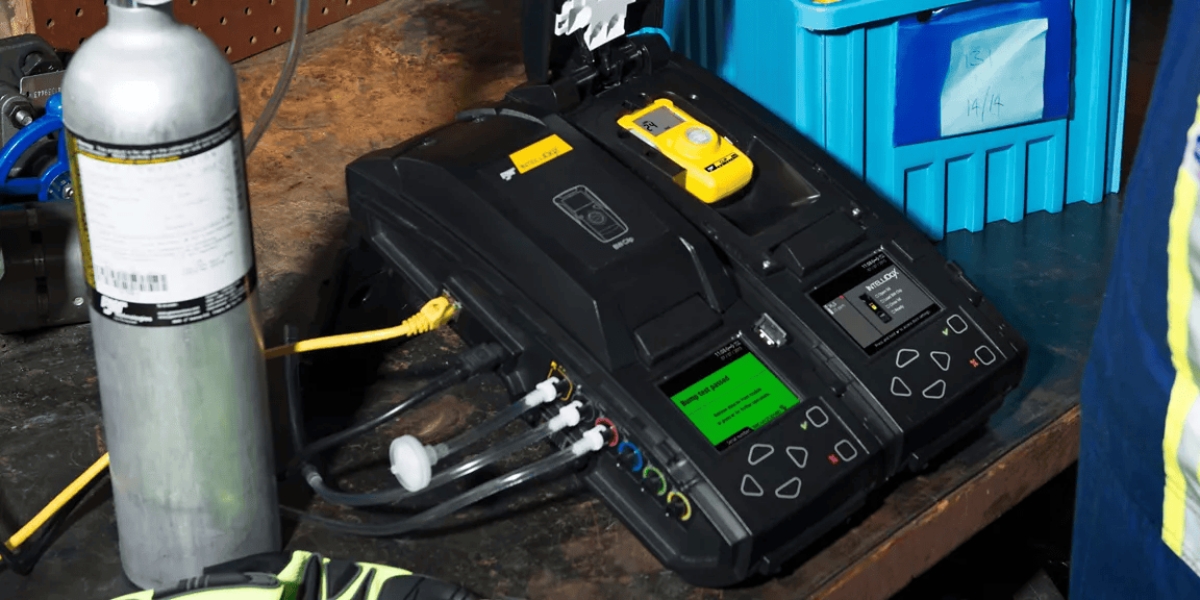
During calibration, a technician exposes the detector to a known concentration of calibration gas. The device’s internal settings are adjusted to ensure its readings match the known value.
In a nutshell, calibration confirms that the reading from your detector matches what’s actually in the air. This process helps maintain confidence in your safety systems, ensuring workers are alerted if hazardous gases are present.
Why is Gas Detector Calibration Essential?
Accuracy and Reliability
Even high-quality gas detectors can drift from their original calibration over time, resulting in inaccurate readings. An uncalibrated detector may fail to detect dangerous gas levels or trigger unnecessary alarms.
Regular calibration ensures your detector provides precise and reliable readings. Your team can work with the confidence that safety systems are performing as intended.
Safety
In the mining or oil and gas industries, gas leaks and hazardous atmospheres can develop quickly. Accurate detectors play a vital role in protecting workers from toxic or explosive gases.
Regular calibration helps ensure that detectors respond correctly when levels become unsafe. This reduces the risk of injury, illness, or fatality.
Compliance
Australian safety regulations and standards require that gas detection equipment be properly maintained and calibrated. Routine calibration helps you meet these obligations, supporting both workplace safety and legal compliance during audits or inspections.
Cost-Effectiveness
Proper calibration not only enhances safety but also extends the lifespan of your equipment. Identifying potential sensor drift early prevents costly replacements, downtime, or incidents caused by undetected gas leaks. You save money over time and ensure continuous, safe operation by investing in regular calibration.
Consequences of Neglect
Neglecting calibration can lead to severe outcomes: false readings, missed detections, and avoidable safety incidents. In the worst cases, it can result in worker injuries or fatalities. Substantial regulatory fines are also a potential outcome.
We recommend maintaining a consistent calibration schedule. This is a simple yet powerful way to avoid these risks and protect both people and assets.
When and How Often Should You Calibrate?
Manufacturer’s Recommendations
Every gas detector is different, so the most reliable source for calibration frequency is the manufacturer’s guidelines. These recommendations are based on the device’s design, sensor type, and typical operating conditions. Following them ensures your detector performs exactly as intended.
Industry Standards
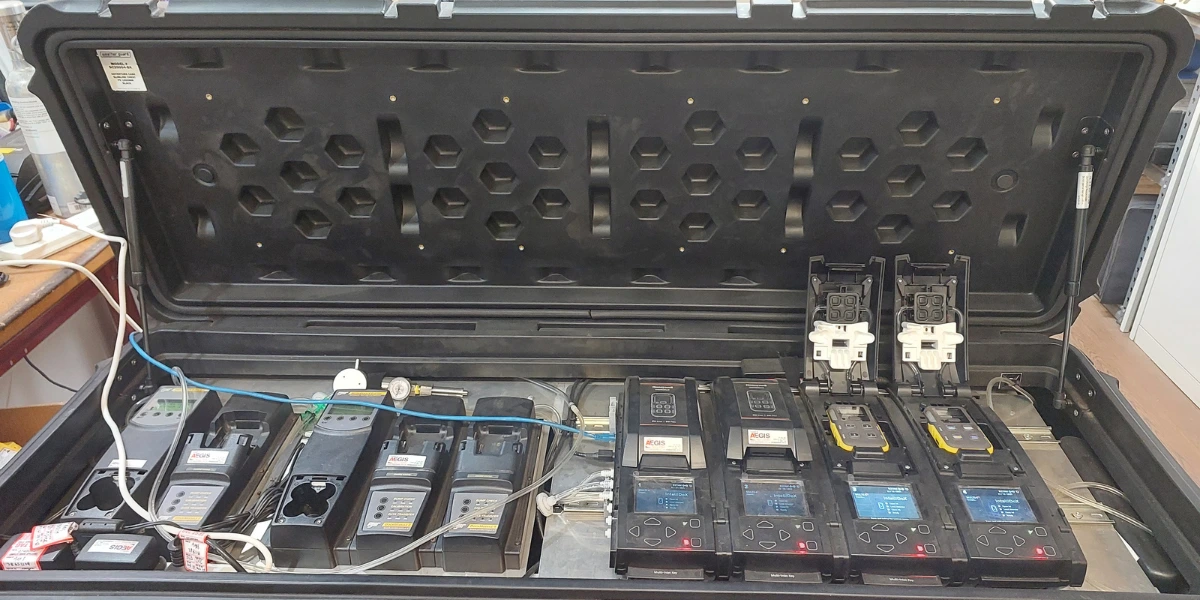
In most Australian workplaces (particularly mining and oil and gas), calibration is typically performed on a quarterly or semi-annual basis. However, some high-risk environments may require more frequent checks.
Regular calibration helps maintain compliance with AS/NZS standards and Safe Work Australia guidelines, both of which emphasise the importance of ongoing equipment maintenance.
Bump Tests vs Full Calibration
A bump test is a quick functional test that confirms your detector responds to gas exposure. It’s not a calibration but should be performed daily before use to verify that sensors and alarms are working.
A full calibration, on the other hand, involves applying a known concentration of test gas to adjust the detector’s readings. This should be done periodically, usually every three to six months, depending on the environment and usage.
Factors Influencing Frequency
Certain factors may require more frequent calibration:
- Harsh environments: Extreme temperatures, humidity, or dusty conditions can cause faster sensor drift.
- Frequent use: Detectors used daily or exposed to high gas concentrations degrade more quickly.
- Contaminants: Exposure to chemicals or particulates can affect sensor accuracy.
Regularly reviewing your site conditions and detector performance data will help determine the ideal calibration schedule for your operation.
The Calibration Process: A Step-by-Step Guide
While calibration procedures can vary between manufacturers and detector types, the general process follows a consistent pattern. Here’s a concise overview of the key steps involved:
Preparation
Before starting, gather the required equipment — this typically includes the calibration gas, a regulator, tubing, and an adapter suited to your detector model. Always ensure you’re working in a well-ventilated area and that safety protocols are followed. Confirm that the calibration gas is within its expiry date and stored correctly.
Step 1: Enter Calibration Mode
Most gas detectors feature a built-in calibration mode. This mode prepares the detector to receive and interpret calibration gas inputs accurately.
Step 2: Apply Zero Gas
Expose the detector to clean air or “zero gas” to establish a baseline reading. This ensures the detector recognises a gas-free environment correctly before the next step.
Step 3: Apply Span Gas
Next, introduce the calibration (or span) gas, a known concentration of the target gas. The detector measures the response, and internal adjustments are made so that the reading aligns precisely with the gas concentration supplied.
Step 4: Verify and Save
Once the detector has stabilised, verify the readings match the known gas concentration. Save the calibration settings to finalise the process.
Documentation
Always log your calibration details (including date, technician name, gas type and concentration, and detector serial number). Keeping accurate records supports AS/NZS compliance, simplifies future troubleshooting, and provides proof of maintenance during audits.
Key Considerations for Effective Calibration
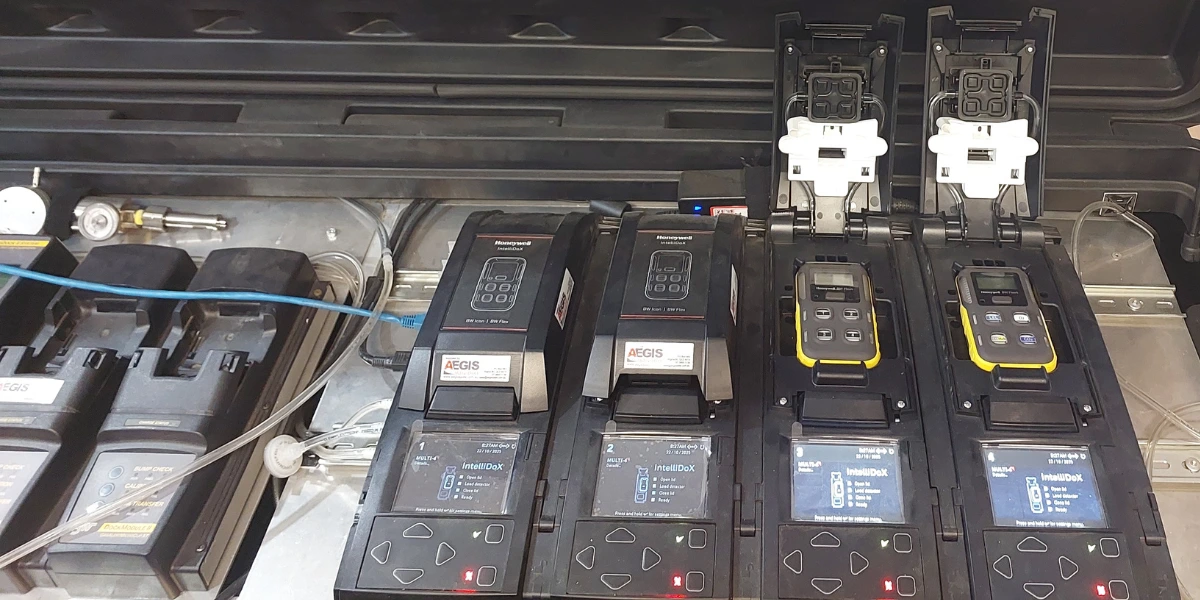
Achieving accurate and reliable calibration requires attention to several critical factors. The following considerations will help ensure your detectors remain compliant, effective, and safe to operate.
Correct Calibration Gas
Always use the correct type and concentration of calibration gas recommended by the detector manufacturer. Using the wrong gas or concentration can lead to inaccurate readings or damage the sensors. Also, check the expiry date on your calibration gas cylinders. Expired gas mixtures may have degraded, affecting calibration accuracy.
Proper Regulators and Tubing
The regulator and tubing must be compatible with your calibration gas and detector. Inappropriate or damaged fittings can cause leaks, incorrect flow rates, or contamination during calibration. Ensuring proper equipment setup helps maintain the consistency and reliability of your results.
Environmental Factors
Temperature, humidity, and atmospheric pressure can all influence sensor response. Whenever possible, perform calibration in a controlled environment or note the conditions in your records.
This is especially important in harsh environments like mining operations, where detectors are often exposed to fluctuating conditions.
Trained Personnel
Calibration should always be performed by trained and competent personnel. Understanding how to properly set up equipment, interpret readings, and identify potential sensor issues ensures calibration is done correctly and safely.
Record Keeping
Comprehensive record-keeping is essential for both compliance and maintenance tracking. Maintain detailed logs of calibration dates, results, and technician names. These records help demonstrate compliance with AS/NZS standards and can be invaluable during audits or when troubleshooting detector performance.
Conclusion
Regular gas detector calibration is one of the simplest yet most effective ways to maintain safety and compliance in high-risk environments such as mining. Accurate detectors protect workers, prevent costly incidents, and help you meet Australian standards for workplace safety.
By understanding what calibration involves, following the correct schedule, and paying attention to key factors such as calibration gas quality, equipment setup, and record keeping, you can ensure your gas detection program remains reliable and effective.
Do you need more information on gas calibration or gas calibration services?